A young city with a turbulent past
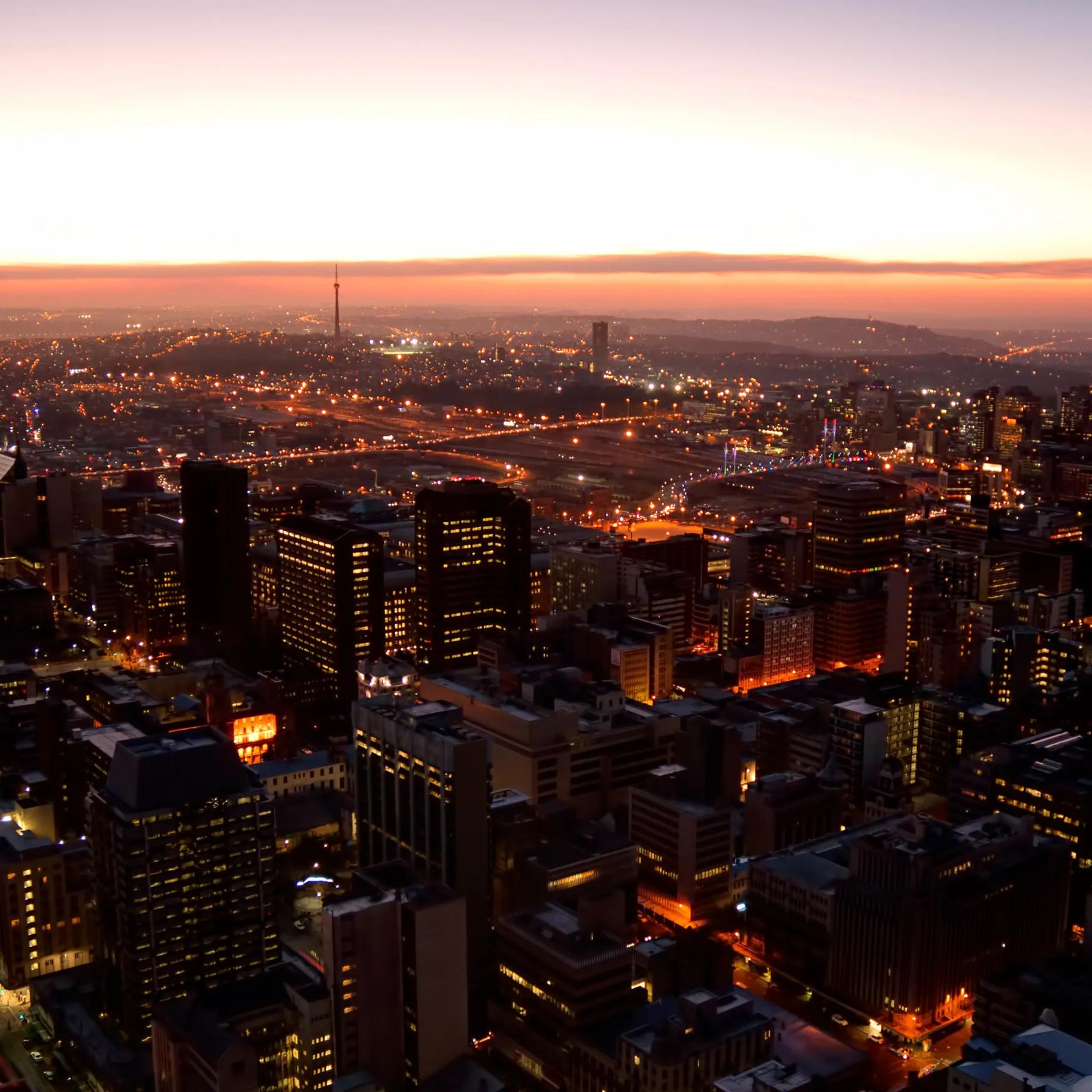
The region around Johannesburg used to be very sparsely populated. But all of this changed overnight when gold was discovered at the end of the 19th century, putting Johannesburg firmly on the map. The city was officially founded in 1886. Johannes Meyer and Johannes Rissik, the ‘2 Johanneses’ from the government of the South-African Republic, gave their name to the city that would emerge as the business centre of Africa.
Constitution Hill, a historic hill
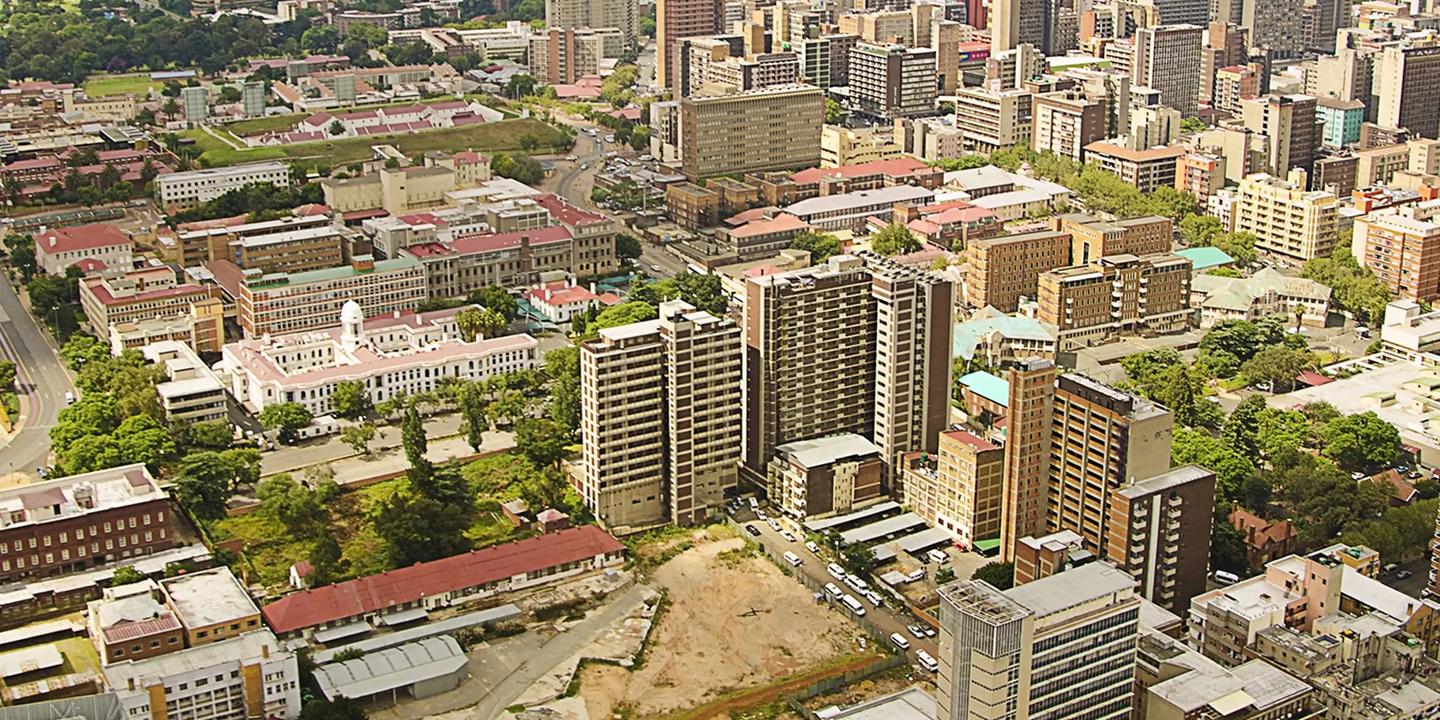
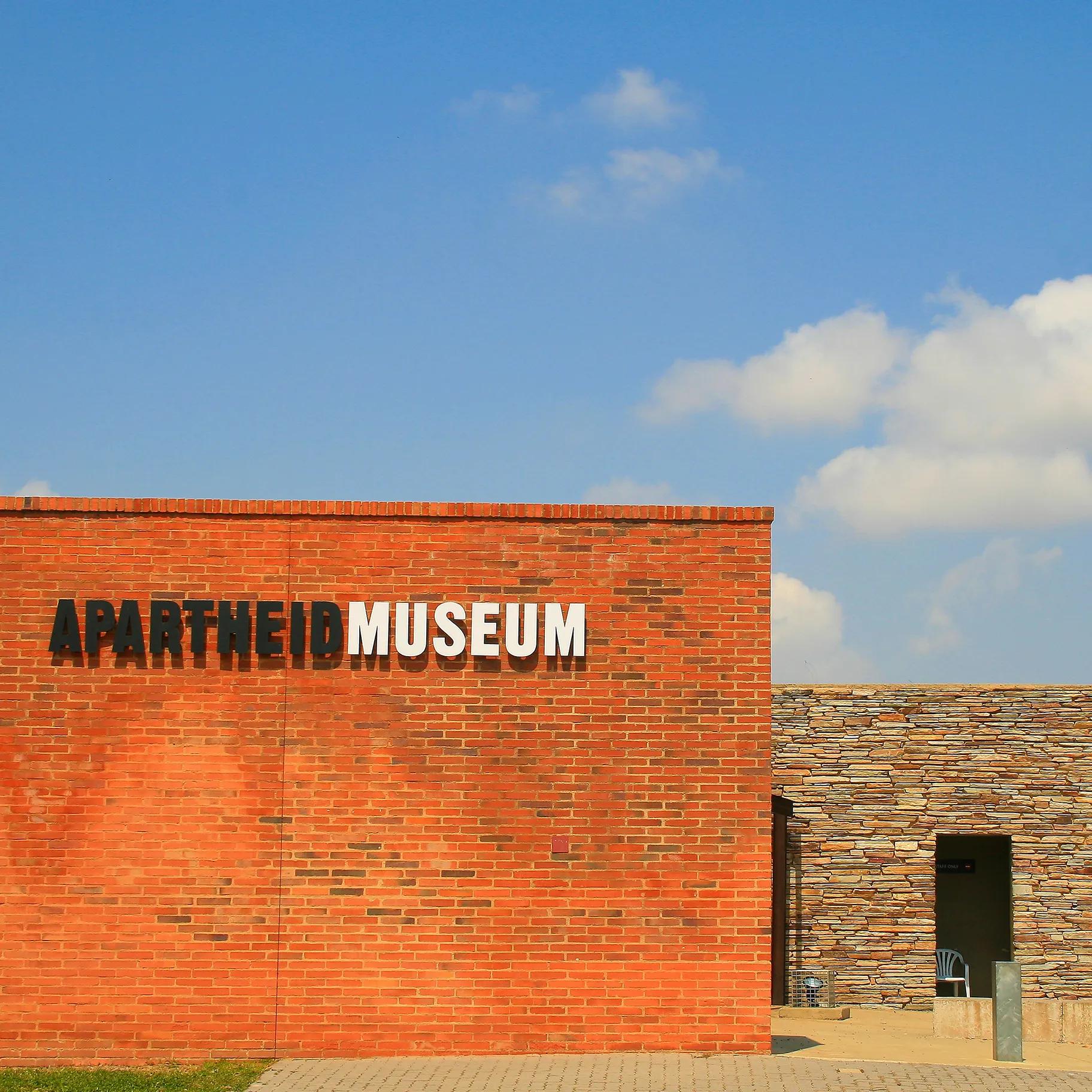
If there is one place in the city that breathes history it is Constitution Hill. This hill with its fabulous view over the city lies in the suburb of Braamfontein. Constitution Hill has witnessed the city’s most important historic occasions: this is where, at the last turn of the century, British soldiers fought a war with the Boers, and this is also where young dissidents were arrested during the 1976 Soweto uprising. After Apartheid, the new courthouse was built on this site. The old fort on the hill was declared a national monument in 1964. The hill was best known for the Old Fort Prison. With its brutal regime, the prison was commonly known as Number Four. The black male prisoners were detained in Section 4 – not only the 'regular' prisoners but also the most important political dissidents. Even Mahatma Gandhi and Nelson Mandela have spent some cold and lonely nights here. Today justice rules supreme in the magnificent architectural building that has been home to the Supreme Court since 2004. But Constitution Hill is much more: there are 3 museums that tell the colourful history of Johannesburg. Interactive exhibits and tours give insight into South Africa’s turbulent past and show the country’s transition to democracy. The complex also houses the largest human rights library in the southern hemisphere and an art collection of well-known national artists. From the public gallery, visitors can watch the court proceedings.
Remembering South Africa
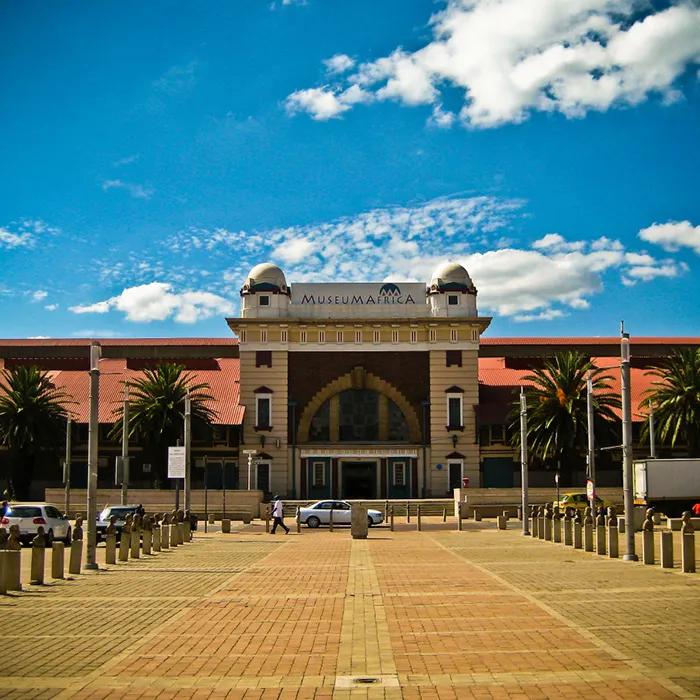
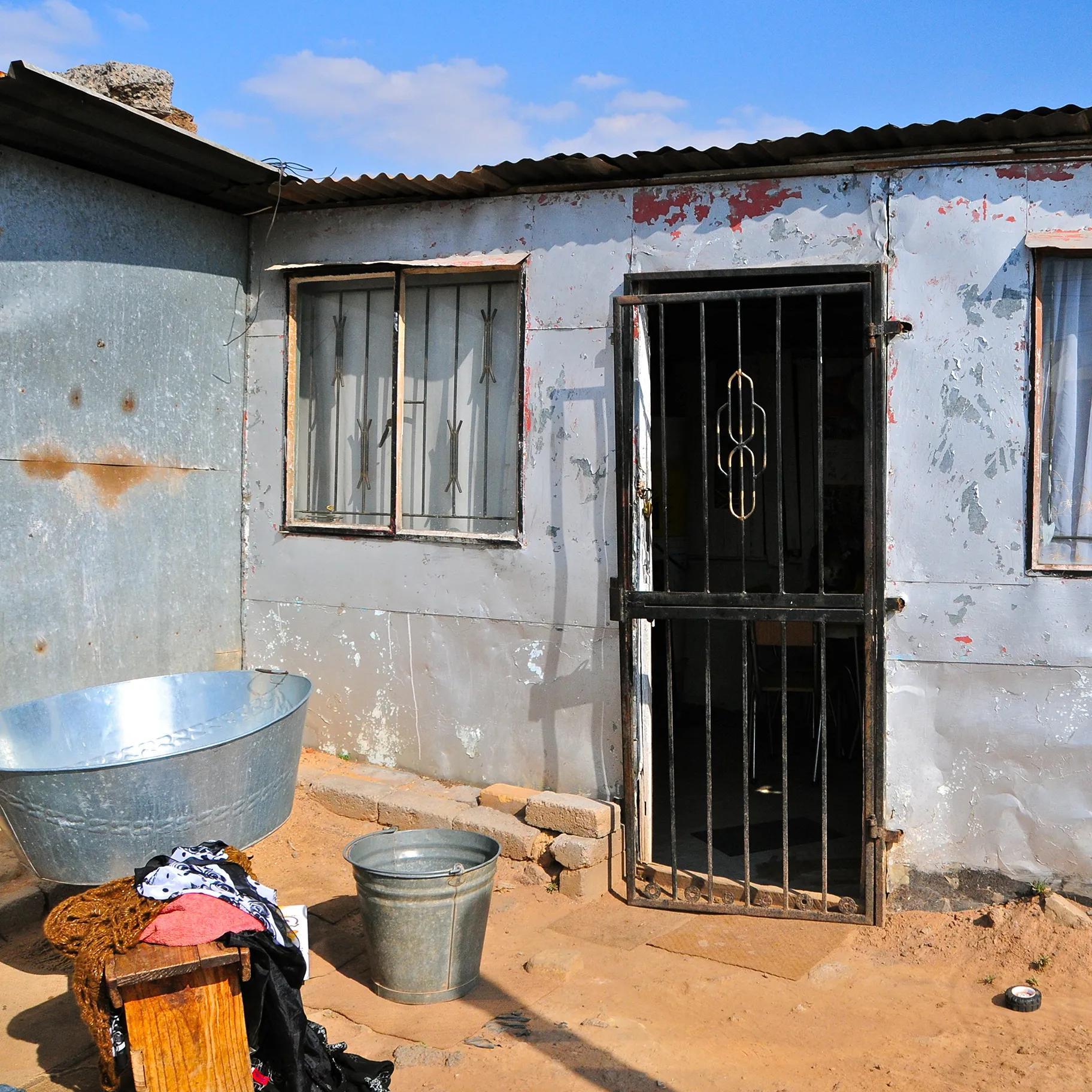
The Museum Africa stands amidst Newton’s jazz pubs, music venues and a local theatre. The former market halls display exhibits of paintings, photographs, archaeological excavations and artefacts that provide an overview of the history of South Africa, and Johannesburg in particular. You can learn more about the simple life of the miners and the extreme contrast with the luxurious lifestyle of their bosses. The museum also presents various music styles, including those from the townships.
Related articles

Nature
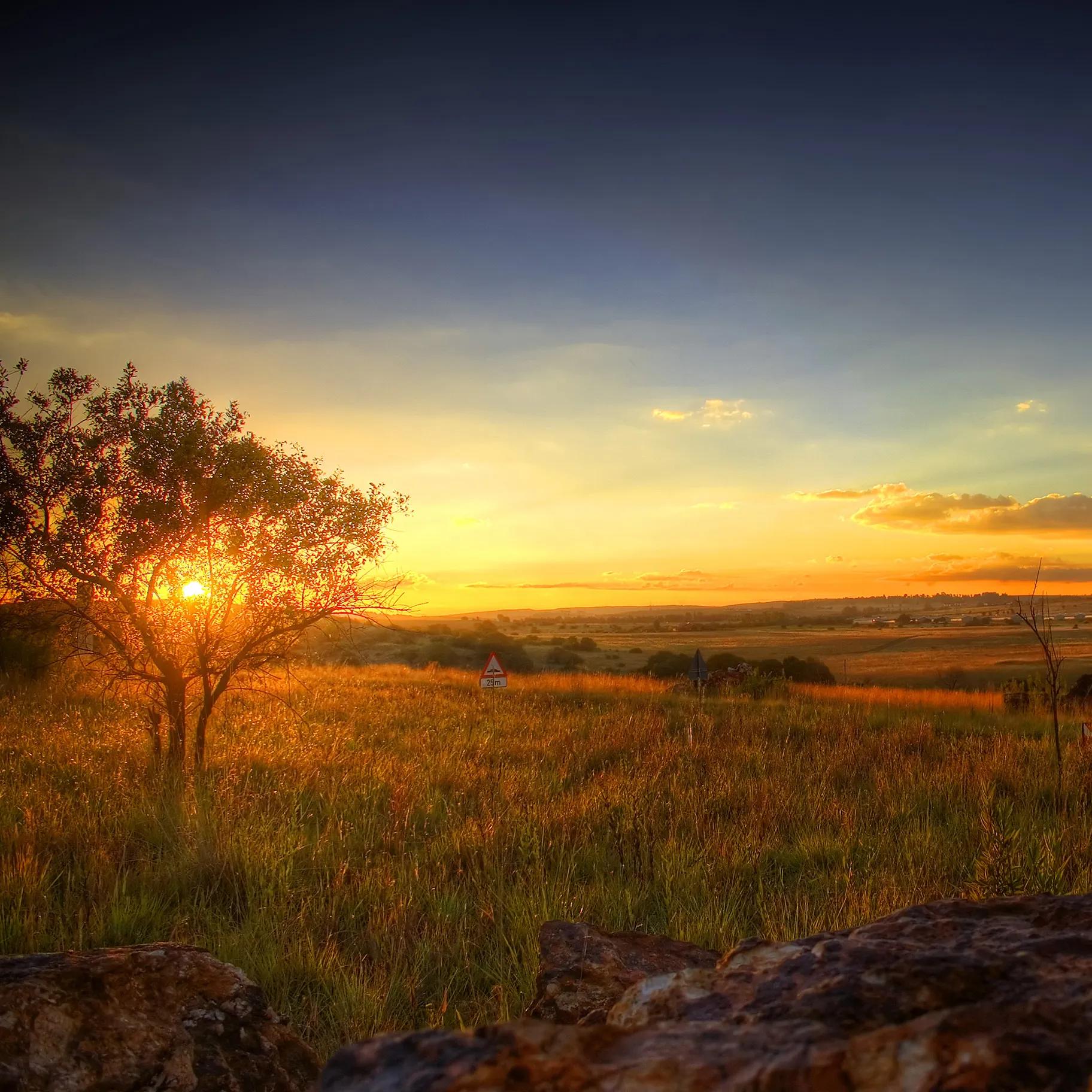
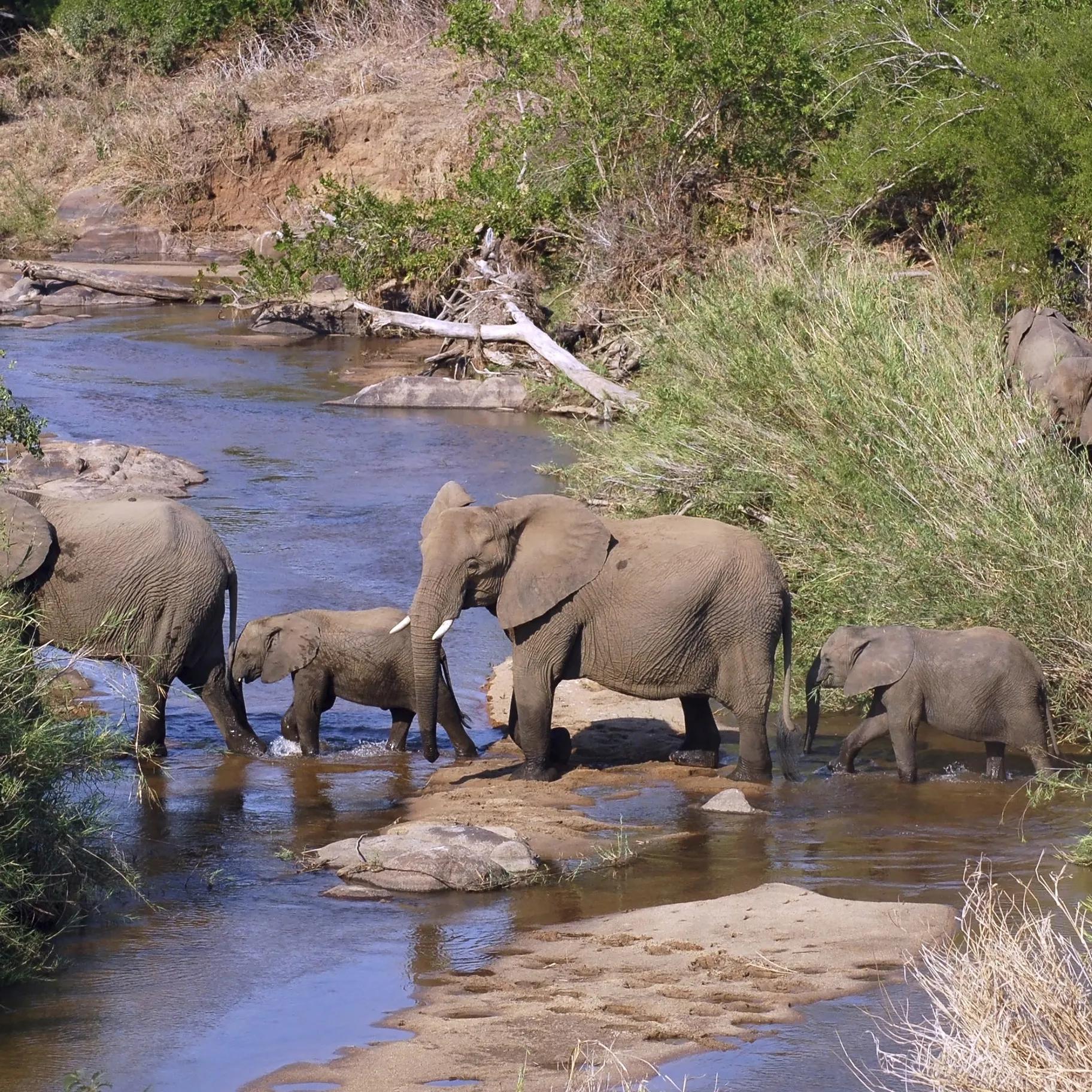
Many visitors to South Africa hope to catch a glimpse of some of the country’s magnificent wildlife. However, those on a short city trip probably won’t have time to visit one of the world-famous wildlife reserves. Fortunately, there are some opportunities within the city limits of Johannesburg as the Klipriviersberg Nature Reserve is only 11 kilometres south of the city centre.
Arts & Culture
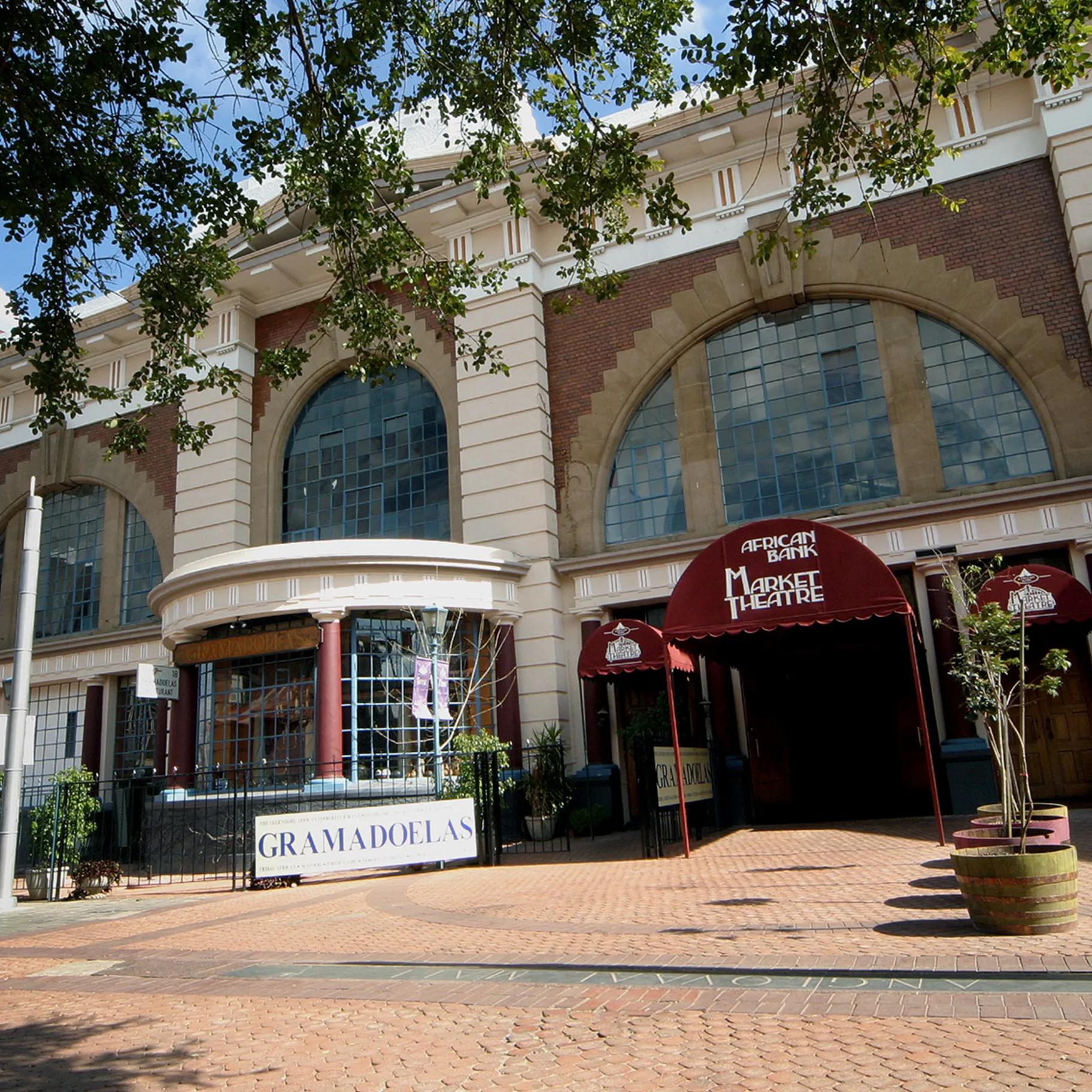
In 1976, at the height of the Apartheid regime, a remarkable theatre was inaugurated in Johannesburg. The Market Theatre challenged the regime by presenting itself as a place where spectators of all races could watch performances together. Those performances denounced apartheid. The idea was simple but powerful: culture can change society.

Discover other destinations in Africa

*The displayed prices are for one adult. All amounts are in EUR. Taxes and surcharges are included. No booking fee is applicable. Prices shown may vary depending on fare availability.
The weather forecast information is provided by World Weather Online. Air France-KLM is not responsible for the reliability of this data.